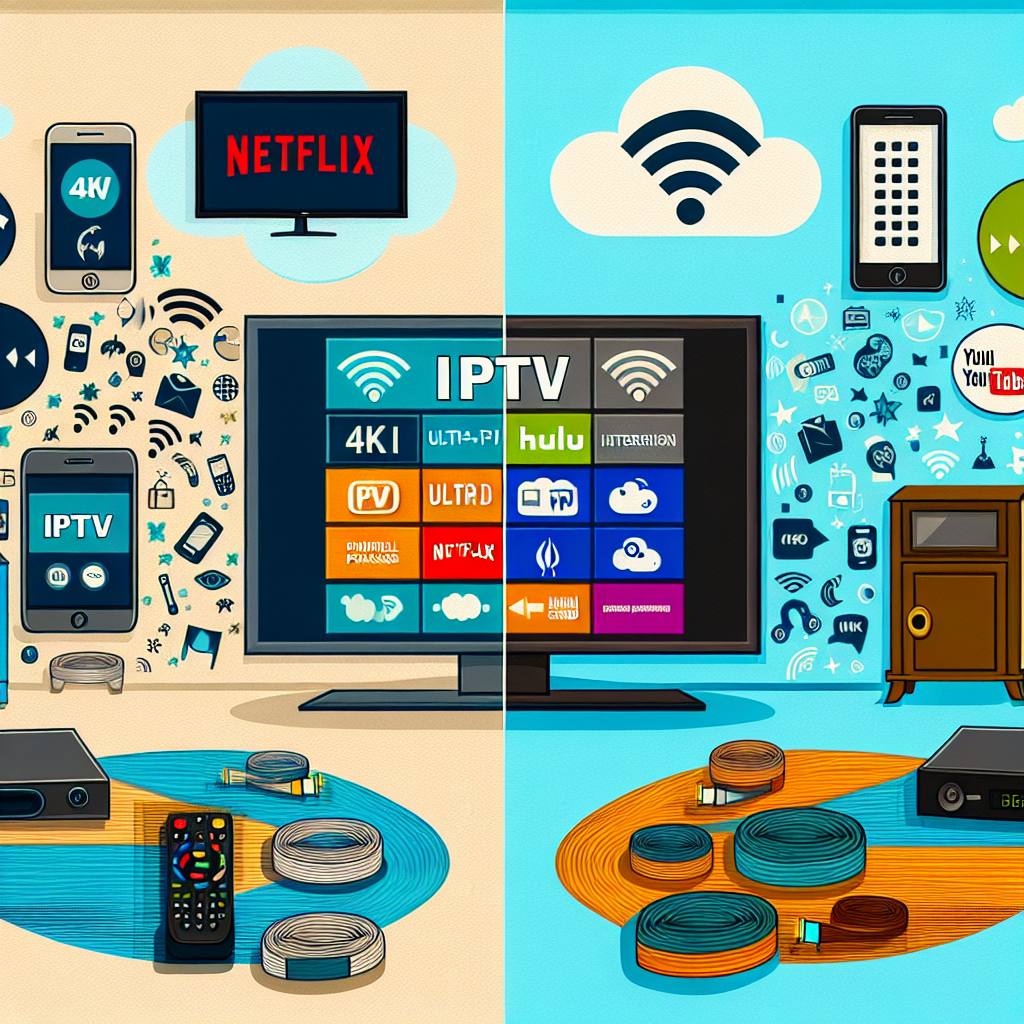
Choosing Between IPTV and Traditional Cable TV in the UK Choosing Between IPTV and Traditional Cable TV in the UK In today’s fast-evolving digital age, making the right choice for your home entertainment can be tricky. With so many options available, how do you decide between British IPTV and traditional cable TV? Let’s break it down into simple terms and help you make an informed decision that best suits your lifestyle. Table of Contents What is IPTV? Advantages of British IPTV The Old Guard: Traditional Cable TV Direct Comparison: IPTV vs Cable TV Making the Right Choice What is IPTV? Let’s start with the basics—what exactly is IPTV? Simply put, IPTV (Internet Protocol Television) is a way to stream television content over the Internet. Instead of relying on satellite or cable, IPTV delivers content via your internet connection. Think of it like Netflix, but for live TV channels, which means you can watch your favorite shows or live events from practically anywhere with internet access. Advantages of British IPTV Why are so many people turning to IPTV in the UK? Here are some compelling reasons: Choice and Flexibility: IPTV offers a wide selection of channels and content. You can tailor your IPTV subscription to suit your interests. Convenience: Watch on-demand content at your leisure, pause live shows, or catch up later—it’s that simple! Cost-Effective: IPTV services often come with more competitive pricing than traditional cable options. For instance, check our pricing plans to see how affordable it can be. Free Trials: Most providers, like us, offer an IPTV free trial so you can experience the service firsthand before committing fully. The Old Guard: Traditional Cable TV Cable TV has been a household staple for decades. It uses coaxial cables to deliver television channels directly into your home. While it offers a familiar viewing experience, it comes with its limitations: Limited Flexibility: Content is typically streamed live, requiring you to adjust your schedule to catch your favorite shows. Higher Costs: Traditional cable packages can be expensive, with compound costs for extra channels. Dependence on Physical Infrastructure: Since it relies on cables, any disruption in the physical connection can affect service quality. Direct Comparison: IPTV vs Cable TV Wondering how British IPTV stacks up against cable TV? Here’s a quick comparison: Features British IPTV Traditional Cable TV Channel Variety Wide and customizable Fixed, less flexible Cost Generally lower, flexible plans Higher, often includes unwatched channels Accessibility Watch anywhere with internet Tied to specific location Making the Right Choice So, how do you decide between British IPTV and traditional cable TV? It really boils down to personal preference and your particular needs: If you’re tech-savvy, appreciate content on demand, and are looking for a cost-effective solution, IPTV might be your best bet. Whether you’re intrigued by the options or just want to try something new, our IPTV free trial could be the perfect opportunity to explore. A conversation with friends often uncovers different preferences—some still favor the reliability and familiarity of cable TV, citing fewer outages. Remember, you can always contact us for any queries and clarification. Before making a final decision, consider trying out both. Many providers offer flexible options, so whether you choose British IPTV, cable, or a mix of both, ensure it suits your lifestyle! For more insights on choosing the right TV option, check out resources like TechRadar’s guide to cord-cutting. In the end, the goal is to find a service that not only fits your needs but enhances your viewing experience. Happy watching!
Choosing Between IPTV and Traditional Cable TV in the UK